Buy nuovaenergia.eu ?
We are moving the project
nuovaenergia.eu .
Are you interested in purchasing the domain
nuovaenergia.eu ?
domain@kv-gmbh.de · 0541-91531010
Buy nuovaenergia.eu ?
What is the most efficient way to store energy from renewable energy sources?
The most efficient way to store energy from renewable sources is through battery storage systems. These systems can store excess energy generated from sources like solar or wind power and release it when needed, providing a reliable and consistent energy supply. Battery storage also allows for flexibility in managing energy demand and supply, making it a key component in integrating renewable energy into the grid. Additionally, advancements in battery technology continue to improve efficiency and reduce costs, making it an increasingly viable option for storing renewable energy. **
Is nuclear energy a renewable energy source?
No, nuclear energy is not considered a renewable energy source. While nuclear power plants do not emit greenhouse gases during operation, they rely on uranium as a fuel source, which is a finite resource. Once uranium is used up, it cannot be replaced, making nuclear energy non-renewable. Additionally, the process of mining and refining uranium can have negative environmental impacts. **
Similar search terms for Harper-The-Energy-Paradox
Top-Angebote
Products related to Harper-The-Energy-Paradox:
-
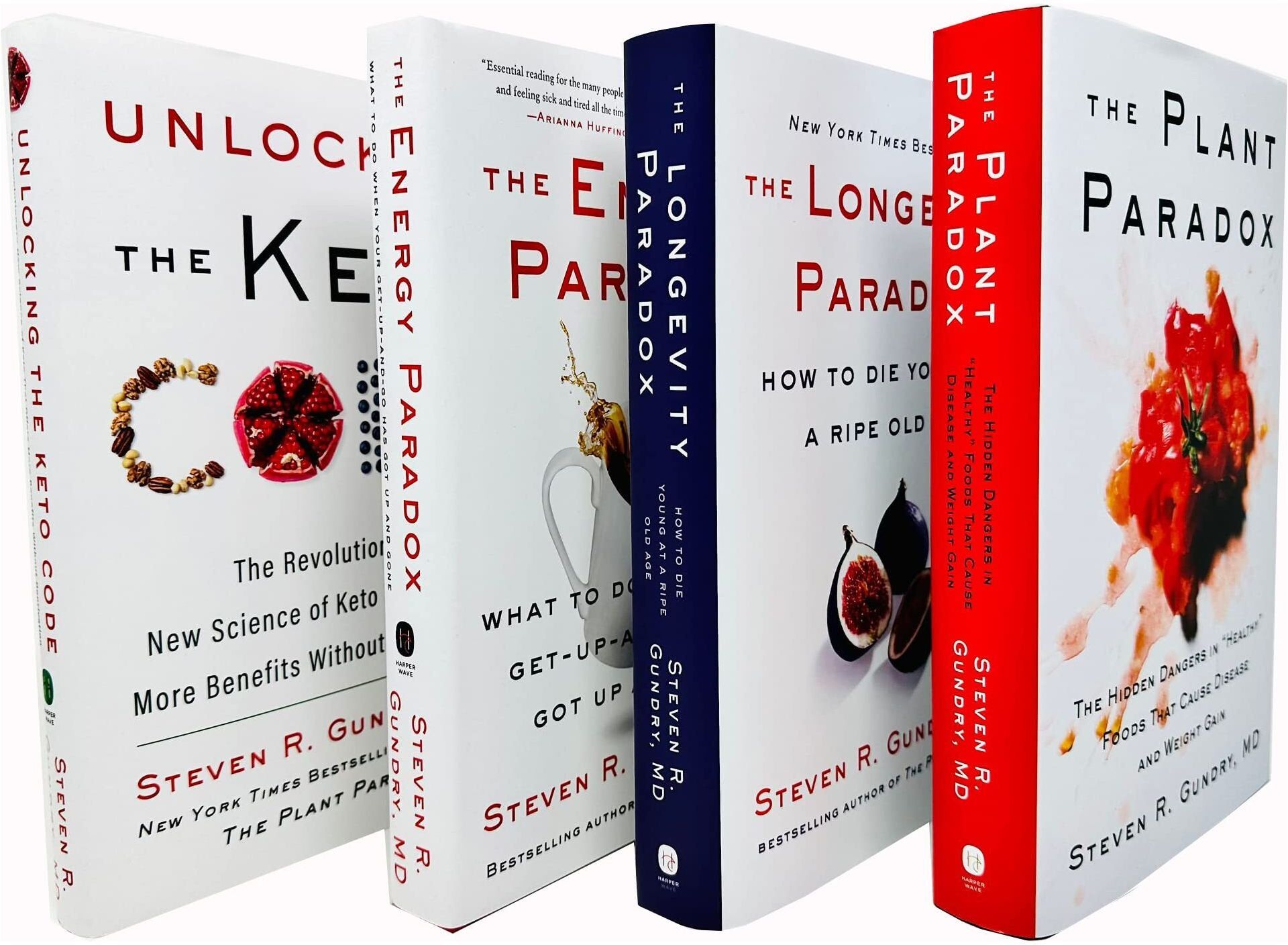
HarperWave ltd Dr. Steven R Gundry MD 4 Books Collection Set (The Plant Paradox, The Longevity Paradox, The Energy Paradox and Unlocking The Keto Code)Dr. Steven R Gundry MD 4 Books Collection Set (The Plant Paradox, The Longevity Paradox, The Energy Paradox & Unlocking The Keto Code): The Plant Paradox: In The Plant Paradox, renowned cardiologist Dr. Steven Gundry reveals that gluten is just one variety of a common, and highly toxic, plant-based protein called lectin. Lectins are found not only in grains like wheat but also in the “gluten-free” foods most of us commonly regard as healthy, including many fruits, vegetables, nuts, beans, and conventional dairy products. The Longevity Paradox: This groundbreaking book holds the answer. Working with thousands of patients, Dr. Gundry has discovered that the “diseases of aging” we most fear are not simply a function of age; rather, they are a byproduct of the way we have lived over the decades. In The Longevity Paradox, he maps out a new approach to aging well—one that is based on supporting the health of the “oldest” parts of us: the microorganisms that live within our bodies. The Energy Paradox: In The Energy Paradox, Dr. Gundry expands upon his previous discussions of gut, microbiome, and mitochondrial health, linking immune malfunction to the mental and physical symptoms of fatigue—including exhaustion, brain fog, depression, anxiety, and low metabolism. As Dr. Gundry explains, feeling tired, moody, and zapped of energy is not normal, no matter your workload or age. Unlocking the Keto Code: In Unlocking the Keto Code, Dr. Gundry reveals the biological mechanism that makes keto diets so successful: a cellular process known as “mitochondrial uncoupling.” As it turns out, ketones are not the magical fuel source they’ve been made out to be; in fact, the body cannot run on ketones and fats alone.24,90 £*Shipping: 2,99 £Secure redirect to the provider
-
Harper The Longevity Paradox by Steven R. Gundry – Healthy Aging & Nutrition GuideRethink aging and long-term wellness with The Longevity Paradox: How to Die Young at a Ripe Old Age by Steven R. Gundry. In this accessible health guide, Dr. Gundry explores how lifestyle choices — including diet, gut health, and daily habits — may influence how we age. Drawing on research and clinical insights, the book introduces practical strategies aimed at supporting energy, resilience, and overall wellbeing throughout life. Written in a clear, motivating style, The Longevity Paradox encourages readers to take an active role in shaping healthier routines, focusing on prevention and sustainable habits rather than quick fixes. Why Readers Love This Book: Practical insights into healthy aging Focus on nutrition, gut health, and lifestyle habits Accessible science explained clearly Encourages long-term wellness strategies Motivating and easy to follow A thought-provoking guide to living well at every age, The Longevity Paradox inspires readers to rethink how they approach health and longevity.5,99 £*Shipping: 2,99 £Secure redirect to the provider
-
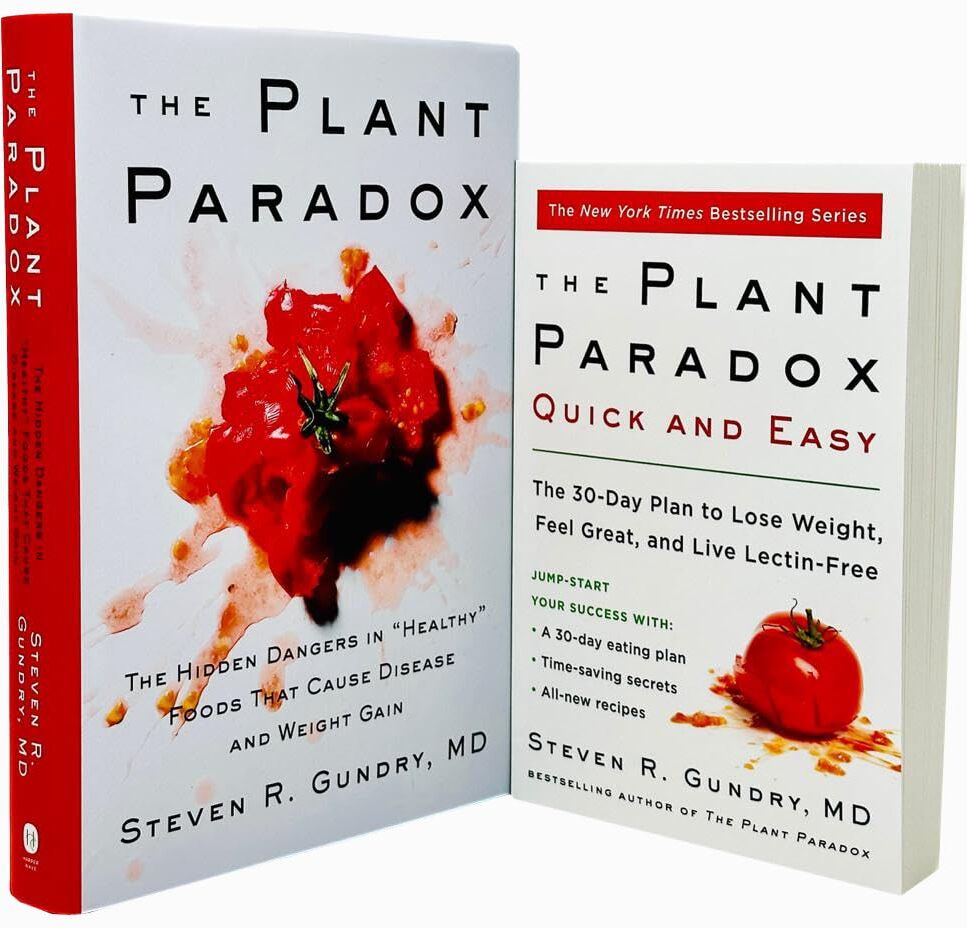
Harper The Plant Paradox & The Plant Paradox Quick and Easy 2 Book Collection Set by Steven R. Gundry – 30-Day Diet Plan & Health GuideThe Plant Paradox Series 2 Books Collection Set By Dr. Steven R Gundry MD (The Plant Paradox [Hardcover] & The Plant Paradox Quick and Easy: The 30-Day Plan to Lose Weight, Feel Great, and Live Lectin-Free): The Plant Paradox [Hardcover]: In The Plant Paradox, renowned cardiologist Dr. Steven Gundry reveals that gluten is just one variety of a common, and highly toxic, plant-based protein called lectin. Lectins are found not only in grains like wheat but also in the “gluten-free” foods most of us commonly regard as healthy, including many fruits, vegetables, nuts, beans, and conventional dairy products. These proteins, which are found in the seeds, grains, skins, rinds, and leaves of plants, are designed by nature to protect them from predators (including humans). Once ingested, they incite a kind of chemical warfare in our bodies, causing inflammatory reactions that can lead to weight gain and serious health conditions. The Plant Paradox Quick and Easy: In Dr. Steven Gundry’s breakout bestseller The Plant Paradox, readers learned the surprising truth about foods that have long been regarded as healthy. Lectins—a type of protein found in fruits, vegetables, legumes, dairy, and grains—wreak havoc on the gut, creating systemic inflammation and laying the groundwork for disease and weight gain. Avoiding lectins offers incredible health benefits but requires a significant lifestyle change—one that, for many people, can feel overwhelming.Now, in The Plant Paradox Quick and Easy, Dr. Gundry makes it simpler than ever to go lectin free. His 30-day challenge offers incentives, support, and results along with a toolkit for success.12,99 £*Shipping: 2,99 £Secure redirect to the provider
-
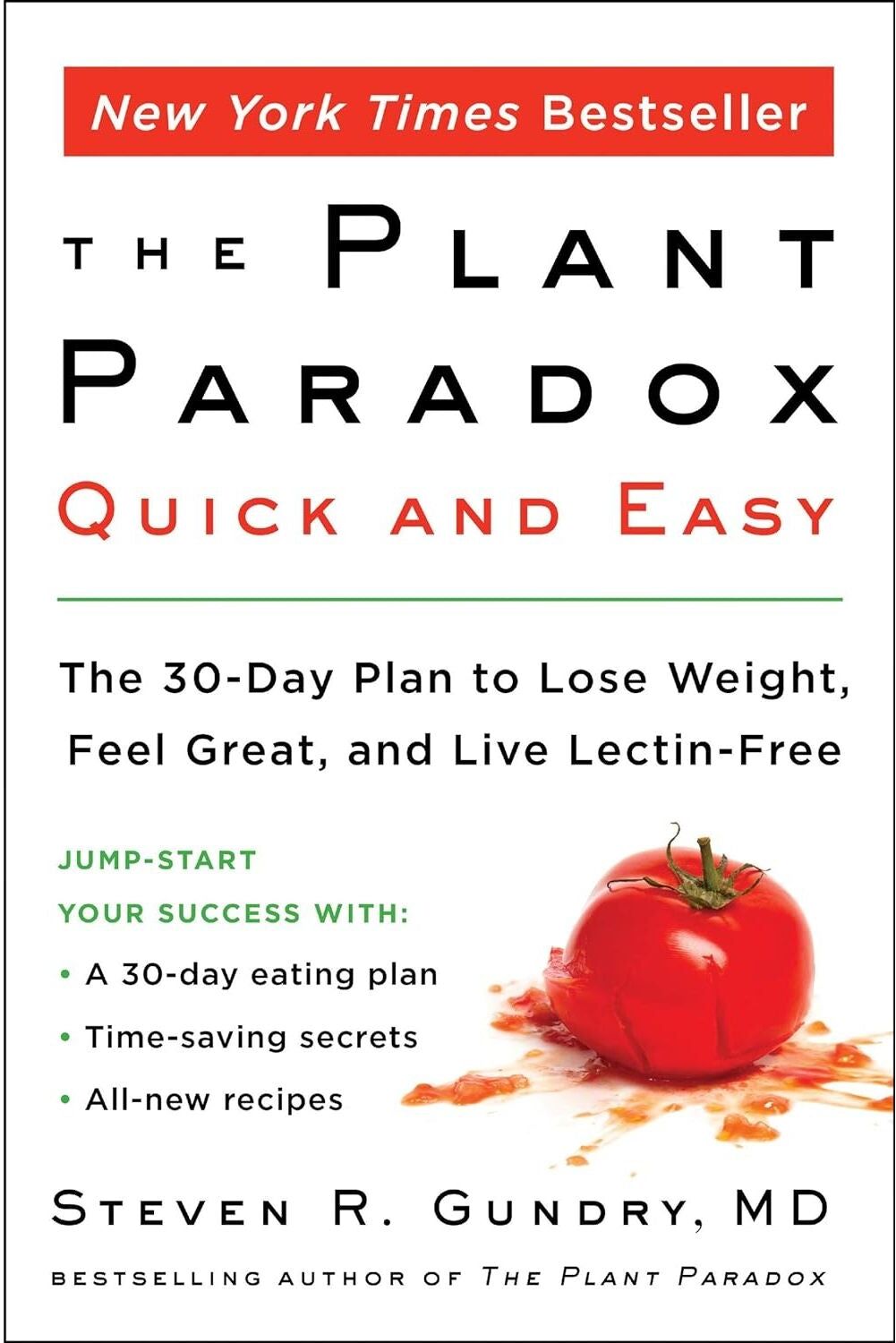
Harper Wave The Plant Paradox Quick & Easy by Steven R. Gundry – 30-Day Lectin-Free Diet Plan & RecipesFrom bestselling author Dr. Steven Gundry, a quick and easy guide to The Plant Paradox program that gives readers the tools to enjoy the benefits of lectin-free eating in just 30 days.In Dr. Steven Gundry’s breakout bestseller The Plant Paradox, readers learned the surprising truth about foods that have long been regarded as healthy. Lectins—a type of protein found in fruits, vegetables, legumes, dairy, and grains—wreak havoc on the gut, creating systemic inflammation and laying the groundwork for disease and weight gain. Avoiding lectins offers incredible health benefits but requires a significant lifestyle change—one that, for many people, can feel overwhelming. Now, in The Plant Paradox Quick and Easy, Dr. Gundry makes it simpler than ever to go lectin free. His 30-day challenge offers incentives, support, and results along with a toolkit for success. With grocery lists, meal plans, time-saving cooking strategies, all-new recipes, and guidance for families and those following specialized diets (including ketogenic and vegan), The Plant Paradox Quick and Easy is the all-in-one resource Plant Paradox fans and newcomers alike need to jumpstart results reap the health benefits of living lectin-free.5,49 £*Shipping: 2,99 £Secure redirect to the provider

-
Does renewable energy generate energy or electricity?
Renewable energy generates electricity. Renewable energy sources such as solar, wind, hydro, and geothermal power are used to generate electricity through various technologies. For example, solar panels convert sunlight into electricity, wind turbines harness the power of the wind to generate electricity, and hydroelectric power plants use the energy of flowing water to produce electricity. Therefore, renewable energy is a key source of electricity generation that can help reduce reliance on fossil fuels and mitigate climate change. **
-
What is renewable energy?
Renewable energy is energy that is collected from resources that are naturally replenished on a human timescale, such as sunlight, wind, rain, tides, waves, and geothermal heat. These sources of energy are considered sustainable because they are naturally replenished and do not deplete finite resources. Renewable energy is seen as a cleaner and more environmentally friendly alternative to fossil fuels, as it produces lower levels of greenhouse gas emissions and reduces our dependence on non-renewable resources. **
-
Is solar energy renewable?
Yes, solar energy is renewable because it is derived from the sun, which is a virtually limitless source of energy. The sun's energy is constantly being replenished and will continue to do so for billions of years. This makes solar energy a sustainable and renewable source of power that can be harnessed for electricity generation and other applications. **
-
What is the difference between renewable energy and alternative energy?
Renewable energy refers to energy sources that are naturally replenished, such as sunlight, wind, and water. Alternative energy, on the other hand, encompasses a broader range of energy sources that are not traditional fossil fuels, including renewable energy sources as well as nuclear energy and biofuels. While all renewable energy sources are considered alternative energy sources, not all alternative energy sources are necessarily renewable. **


What are the differences between fossil energy sources and renewable energy, specifically wind energy?
Fossil energy sources, such as coal, oil, and natural gas, are non-renewable and finite resources that are formed over millions of years. They release greenhouse gases and other pollutants when burned, contributing to climate change and air pollution. In contrast, wind energy is a renewable energy source that harnesses the power of the wind to generate electricity. It is clean, abundant, and does not produce greenhouse gas emissions or air pollutants during operation. Additionally, wind energy is sustainable in the long term as wind is a naturally occurring resource that will not deplete. **
Are halogen lamps energy-efficient?
Halogen lamps are not considered to be very energy-efficient. They are known for producing a lot of heat, which means they waste a significant amount of energy. In fact, they are less efficient than other types of lighting such as LED or CFL bulbs. Therefore, if energy efficiency is a priority, it is recommended to consider using alternative lighting options. **
Top-Angebote
Products related to Harper-The-Energy-Paradox:
-
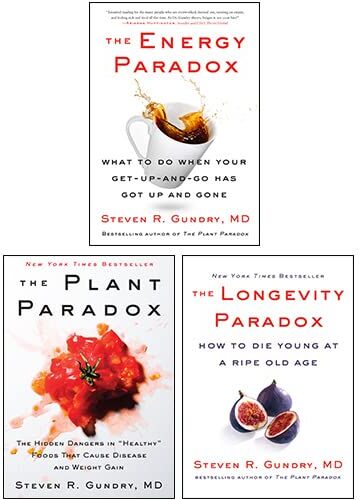
Harper Dr. Steven R Gundry MD 3 Books Collection Set (The Plant Paradox, The Longevity Paradox & The Energy Paradox)Dr. Steven R Gundry MD 3 Books Collection Set (The Plant Paradox, The Longevity Paradox & The Energy Paradox): The Plant Paradox: In The Plant Paradox, renowned cardiologist Dr. Steven Gundry reveals that gluten is just one variety of a common, and highly toxic, plant-based protein called lectin. Lectins are found not only in grains like wheat but also in the “gluten-free” foods most of us commonly regard as healthy, including many fruits, vegetables, nuts, beans, and conventional dairy products. These proteins, which are found in the seeds, grains, skins, rinds, and leaves of plants, are designed by nature to protect them from predators (including humans). The Longevity Paradox: This groundbreaking book holds the answer. Working with thousands of patients, Dr. Gundry has discovered that the “diseases of aging” we most fear are not simply a function of age; rather, they are a byproduct of the way we have lived over the decades. In The Longevity Paradox, he maps out a new approach to aging well—one that is based on supporting the health of the “oldest” parts of us: the microorganisms that live within our bodies. The Energy Paradox: In The Energy Paradox, Dr. Gundry expands upon his previous discussions of gut, microbiome, and mitochondrial health, linking immune malfunction to the mental and physical symptoms of fatigue—including exhaustion, brain fog, depression, anxiety, and low metabolism. As Dr. Gundry explains, feeling tired, moody, and zapped of energy is not normal, no matter your workload or age. Fatigue is an SOS flare from the body, one that is intended to alert us that something is wrong.18,99 £*Shipping: 2,99 £Secure redirect to the provider
-
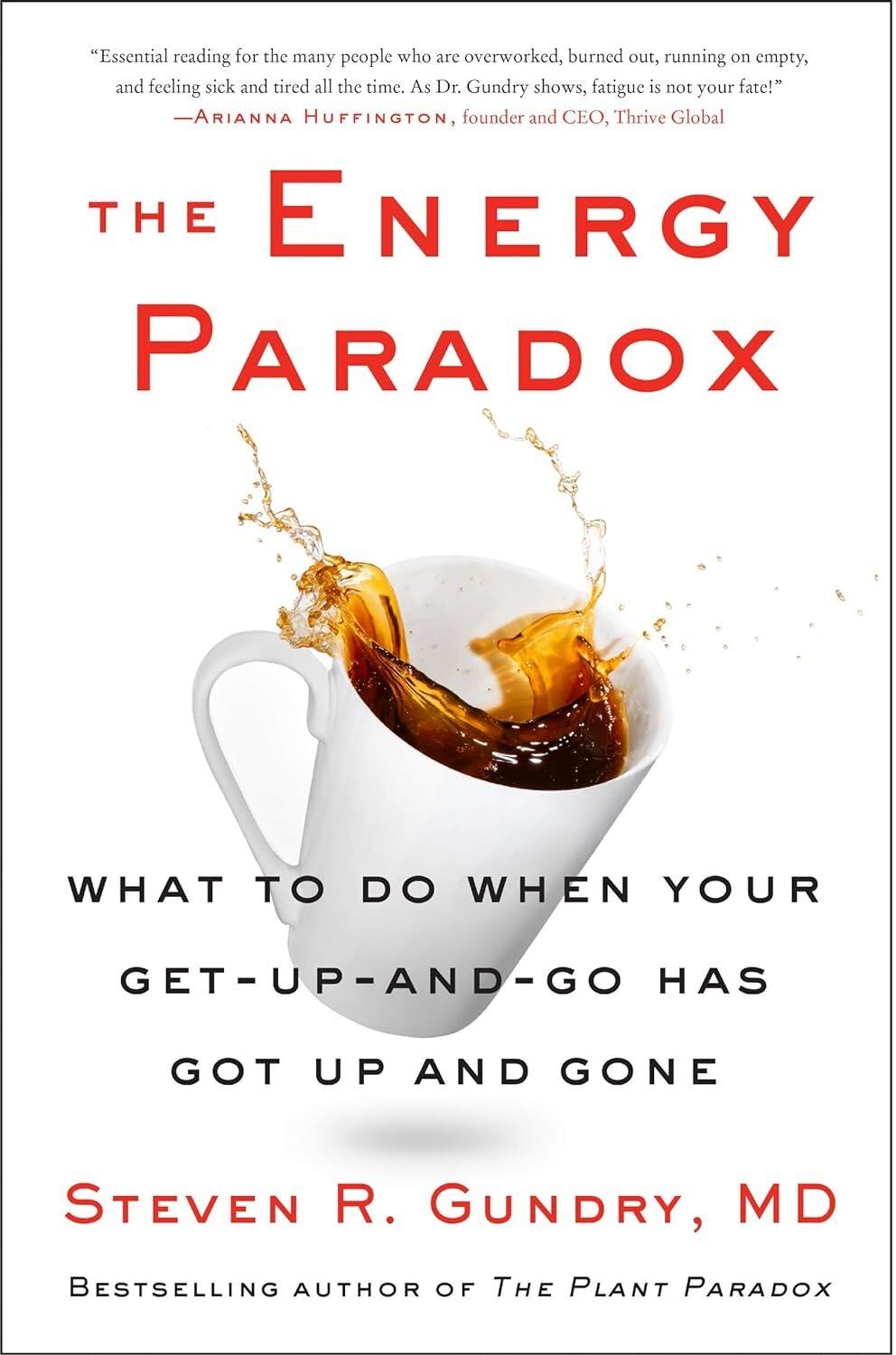
Harper The Energy Paradox: What to Do When Your Get-Up-and-Go Has Got Up and GoneThe author of the bestselling Plant Paradox series takes a fresh look at one of the top health issues plaguing Americans—fatigue—and offers a revolutionary plan for boosting energy and revitalizing mental and physical stamina. In his bestselling books, The Plant Paradox and The Longevity Paradox, Dr. Steven R. Gundry offered game-changing perspectives on our wellbeing. In The Energy Paradox, Dr. Gundry expands upon his previous discussions of gut, microbiome, and mitochondrial health, linking immune malfunction to the mental and physical symptoms of fatigue—including exhaustion, brain fog, depression, anxiety, and low metabolism. As Dr. Gundry explains, feeling tired, moody, and zapped of energy is not normal, no matter your workload or age. Fatigue is an SOS flare from the body, one that is intended to alert us that something is wrong. In his clinical work, Dr. Gundry has found that his patients who complain of feeling sick and tired all the time almost always have something in common: the inflammation markers of a leaky gut. In The Energy Paradox, Dr. Gundry will offer readers the information and tools necessary to quiet the autoimmune battle raging within—a battle that depletes precious energy reserves, leaving you drained and prone to mood disorders and weight gain. With new guidelines on how to increase mitochondrial energy production and nourish the microbiome; 30 new Plant Paradox-approved recipes; and lists of energy-boosting foods to consume and energy-depleting foods to avoid, The Energy Paradox will help readers take back their lives, giving them the energy they need to feel, look, and be their best.6,70 £*Shipping: 2,99 £Secure redirect to the provider
-
HarperWave ltd Dr. Steven R Gundry MD 4 Books Collection Set (The Plant Paradox, The Longevity Paradox, The Energy Paradox and Unlocking The Keto Code)Dr. Steven R Gundry MD 4 Books Collection Set (The Plant Paradox, The Longevity Paradox, The Energy Paradox & Unlocking The Keto Code): The Plant Paradox: In The Plant Paradox, renowned cardiologist Dr. Steven Gundry reveals that gluten is just one variety of a common, and highly toxic, plant-based protein called lectin. Lectins are found not only in grains like wheat but also in the “gluten-free” foods most of us commonly regard as healthy, including many fruits, vegetables, nuts, beans, and conventional dairy products. The Longevity Paradox: This groundbreaking book holds the answer. Working with thousands of patients, Dr. Gundry has discovered that the “diseases of aging” we most fear are not simply a function of age; rather, they are a byproduct of the way we have lived over the decades. In The Longevity Paradox, he maps out a new approach to aging well—one that is based on supporting the health of the “oldest” parts of us: the microorganisms that live within our bodies. The Energy Paradox: In The Energy Paradox, Dr. Gundry expands upon his previous discussions of gut, microbiome, and mitochondrial health, linking immune malfunction to the mental and physical symptoms of fatigue—including exhaustion, brain fog, depression, anxiety, and low metabolism. As Dr. Gundry explains, feeling tired, moody, and zapped of energy is not normal, no matter your workload or age. Unlocking the Keto Code: In Unlocking the Keto Code, Dr. Gundry reveals the biological mechanism that makes keto diets so successful: a cellular process known as “mitochondrial uncoupling.” As it turns out, ketones are not the magical fuel source they’ve been made out to be; in fact, the body cannot run on ketones and fats alone.24,90 £*Shipping: 2,99 £Secure redirect to the provider
-
Harper The Longevity Paradox by Steven R. Gundry – Healthy Aging & Nutrition GuideRethink aging and long-term wellness with The Longevity Paradox: How to Die Young at a Ripe Old Age by Steven R. Gundry. In this accessible health guide, Dr. Gundry explores how lifestyle choices — including diet, gut health, and daily habits — may influence how we age. Drawing on research and clinical insights, the book introduces practical strategies aimed at supporting energy, resilience, and overall wellbeing throughout life. Written in a clear, motivating style, The Longevity Paradox encourages readers to take an active role in shaping healthier routines, focusing on prevention and sustainable habits rather than quick fixes. Why Readers Love This Book: Practical insights into healthy aging Focus on nutrition, gut health, and lifestyle habits Accessible science explained clearly Encourages long-term wellness strategies Motivating and easy to follow A thought-provoking guide to living well at every age, The Longevity Paradox inspires readers to rethink how they approach health and longevity.5,99 £*Shipping: 2,99 £Secure redirect to the provider
-
What is the most efficient way to store energy from renewable energy sources?
The most efficient way to store energy from renewable sources is through battery storage systems. These systems can store excess energy generated from sources like solar or wind power and release it when needed, providing a reliable and consistent energy supply. Battery storage also allows for flexibility in managing energy demand and supply, making it a key component in integrating renewable energy into the grid. Additionally, advancements in battery technology continue to improve efficiency and reduce costs, making it an increasingly viable option for storing renewable energy. **
-
Is nuclear energy a renewable energy source?
No, nuclear energy is not considered a renewable energy source. While nuclear power plants do not emit greenhouse gases during operation, they rely on uranium as a fuel source, which is a finite resource. Once uranium is used up, it cannot be replaced, making nuclear energy non-renewable. Additionally, the process of mining and refining uranium can have negative environmental impacts. **
-
Does renewable energy generate energy or electricity?
Renewable energy generates electricity. Renewable energy sources such as solar, wind, hydro, and geothermal power are used to generate electricity through various technologies. For example, solar panels convert sunlight into electricity, wind turbines harness the power of the wind to generate electricity, and hydroelectric power plants use the energy of flowing water to produce electricity. Therefore, renewable energy is a key source of electricity generation that can help reduce reliance on fossil fuels and mitigate climate change. **
-
What is renewable energy?
Renewable energy is energy that is collected from resources that are naturally replenished on a human timescale, such as sunlight, wind, rain, tides, waves, and geothermal heat. These sources of energy are considered sustainable because they are naturally replenished and do not deplete finite resources. Renewable energy is seen as a cleaner and more environmentally friendly alternative to fossil fuels, as it produces lower levels of greenhouse gas emissions and reduces our dependence on non-renewable resources. **
Similar search terms for Harper-The-Energy-Paradox
-
Harper The Plant Paradox & The Plant Paradox Quick and Easy 2 Book Collection Set by Steven R. Gundry – 30-Day Diet Plan & Health GuideThe Plant Paradox Series 2 Books Collection Set By Dr. Steven R Gundry MD (The Plant Paradox [Hardcover] & The Plant Paradox Quick and Easy: The 30-Day Plan to Lose Weight, Feel Great, and Live Lectin-Free): The Plant Paradox [Hardcover]: In The Plant Paradox, renowned cardiologist Dr. Steven Gundry reveals that gluten is just one variety of a common, and highly toxic, plant-based protein called lectin. Lectins are found not only in grains like wheat but also in the “gluten-free” foods most of us commonly regard as healthy, including many fruits, vegetables, nuts, beans, and conventional dairy products. These proteins, which are found in the seeds, grains, skins, rinds, and leaves of plants, are designed by nature to protect them from predators (including humans). Once ingested, they incite a kind of chemical warfare in our bodies, causing inflammatory reactions that can lead to weight gain and serious health conditions. The Plant Paradox Quick and Easy: In Dr. Steven Gundry’s breakout bestseller The Plant Paradox, readers learned the surprising truth about foods that have long been regarded as healthy. Lectins—a type of protein found in fruits, vegetables, legumes, dairy, and grains—wreak havoc on the gut, creating systemic inflammation and laying the groundwork for disease and weight gain. Avoiding lectins offers incredible health benefits but requires a significant lifestyle change—one that, for many people, can feel overwhelming.Now, in The Plant Paradox Quick and Easy, Dr. Gundry makes it simpler than ever to go lectin free. His 30-day challenge offers incentives, support, and results along with a toolkit for success.12,99 £*Shipping: 2,99 £Secure redirect to the provider
-
Harper Wave The Plant Paradox Quick & Easy by Steven R. Gundry – 30-Day Lectin-Free Diet Plan & RecipesFrom bestselling author Dr. Steven Gundry, a quick and easy guide to The Plant Paradox program that gives readers the tools to enjoy the benefits of lectin-free eating in just 30 days.In Dr. Steven Gundry’s breakout bestseller The Plant Paradox, readers learned the surprising truth about foods that have long been regarded as healthy. Lectins—a type of protein found in fruits, vegetables, legumes, dairy, and grains—wreak havoc on the gut, creating systemic inflammation and laying the groundwork for disease and weight gain. Avoiding lectins offers incredible health benefits but requires a significant lifestyle change—one that, for many people, can feel overwhelming. Now, in The Plant Paradox Quick and Easy, Dr. Gundry makes it simpler than ever to go lectin free. His 30-day challenge offers incentives, support, and results along with a toolkit for success. With grocery lists, meal plans, time-saving cooking strategies, all-new recipes, and guidance for families and those following specialized diets (including ketogenic and vegan), The Plant Paradox Quick and Easy is the all-in-one resource Plant Paradox fans and newcomers alike need to jumpstart results reap the health benefits of living lectin-free.5,49 £*Shipping: 2,99 £Secure redirect to the provider
-
Harper Genius Kitchen by Max Lugavere – 100+ Brain-Boosting Recipes for Energy, Health & NutritionCombining the dietary recommendations in his bestselling Genius Foods and the lifestyle recommendations of The Genius Life, Genius Kitchen features shockingly delicious, nutrient-packed recipes that will energize your mind, strengthen your body, and pave a path to health that you’ll feel with the first bite. Max Lugavere’s debut book Genius Foods was groundbreaking, providing much-needed information on brain health that was embraced by thousands, and became an instant New York Times bestseller. His second book, The Genius Life, introduced an easy-to-implement protocol for strengthening your body and mind. This is the follow-up fans have been waiting for: the companion cookbook, filled with over 100 delicious recipes to help you lose weight, feel great, and reach optimum health. Inspired by traditions from around the globe, the 100-plus recipes and stunning photographs in Genius Kitchen feature an international twist, with bold flavors that favor simplicity and quality of ingredients over complexity and quantity. In addition, Max lists the basic, healthy ingredients and tools that are essential for a well-stocked kitchen and pantry, and offers techniques and best practices for healthy cooking and eating well on a budget. Max wants everyone to be well and enjoy great food—a legacy imparted on him by the tragic health of his mother. Part cookbook, part wellness guide, Genius Kitchen provides key insights that make healthy eating a breeze. Max explains the importance of whole, fresh foods, how various nutrients work together keep you healthy, and how to get fit without counting calories. Breaking down each meal component, Max explains the art and science of nutrition without the dogma, so that you can feel your best every day without sacrificing your love of eating. Whether you are a novice cook or seasoned in the kitchen; just beginning the journey to wellness, or health conscious but wanting to up your game, everyone will benefit from the information presented in Genius Kitchen—and enjoy some epic food in the process.7,99 £*Shipping: 2,99 £Secure redirect to the provider
-
United LED Energy Saving Bulb Eco Friendly Long Lasting Light 110VIlluminate your space with vibrant, energyefficient lighting thats designed to last. The LED energysaving bulb is perfect for homeowners and businesses looking to cut electricity costs without sacrificing brightness. With its compact 3.5inch design...34,97 $*Shipping: 0,00 $Secure redirect to the provider
-
Is solar energy renewable?
Yes, solar energy is renewable because it is derived from the sun, which is a virtually limitless source of energy. The sun's energy is constantly being replenished and will continue to do so for billions of years. This makes solar energy a sustainable and renewable source of power that can be harnessed for electricity generation and other applications. **
-
What is the difference between renewable energy and alternative energy?
Renewable energy refers to energy sources that are naturally replenished, such as sunlight, wind, and water. Alternative energy, on the other hand, encompasses a broader range of energy sources that are not traditional fossil fuels, including renewable energy sources as well as nuclear energy and biofuels. While all renewable energy sources are considered alternative energy sources, not all alternative energy sources are necessarily renewable. **
-
What are the differences between fossil energy sources and renewable energy, specifically wind energy?
Fossil energy sources, such as coal, oil, and natural gas, are non-renewable and finite resources that are formed over millions of years. They release greenhouse gases and other pollutants when burned, contributing to climate change and air pollution. In contrast, wind energy is a renewable energy source that harnesses the power of the wind to generate electricity. It is clean, abundant, and does not produce greenhouse gas emissions or air pollutants during operation. Additionally, wind energy is sustainable in the long term as wind is a naturally occurring resource that will not deplete. **
-
Are halogen lamps energy-efficient?
Halogen lamps are not considered to be very energy-efficient. They are known for producing a lot of heat, which means they waste a significant amount of energy. In fact, they are less efficient than other types of lighting such as LED or CFL bulbs. Therefore, if energy efficiency is a priority, it is recommended to consider using alternative lighting options. **
* All prices are inclusive of VAT and, if applicable, plus shipping costs. The offer information is based on the details provided by the respective shop and is updated through automated processes. Real-time updates do not occur, so deviations can occur in individual cases. ** Note: Parts of this content were created by AI.