Buy nuovaenergia.eu ?
We are moving the project
nuovaenergia.eu .
Are you interested in purchasing the domain
nuovaenergia.eu ?
domain@kv-gmbh.de · 0541-91531010
Buy nuovaenergia.eu ?
Is there climate-friendly meat?
There are certain practices and methods that can make meat production more climate-friendly. For example, raising animals on pasture-based systems can help sequester carbon in the soil and reduce methane emissions. Additionally, using regenerative agriculture practices and reducing the use of antibiotics and hormones can also make meat production more sustainable. However, it's important to note that the overall impact of meat production on the environment is still significant, and reducing meat consumption or choosing alternative protein sources may be the most effective way to mitigate the environmental impact of meat production. **
What is the most efficient way to store energy from renewable energy sources?
The most efficient way to store energy from renewable sources is through battery storage systems. These systems can store excess energy generated from sources like solar or wind power and release it when needed, providing a reliable and consistent energy supply. Battery storage also allows for flexibility in managing energy demand and supply, making it a key component in integrating renewable energy into the grid. Additionally, advancements in battery technology continue to improve efficiency and reduce costs, making it an increasingly viable option for storing renewable energy. **


Similar search terms for Meat
Top-Angebote
Products related to Meat:
-
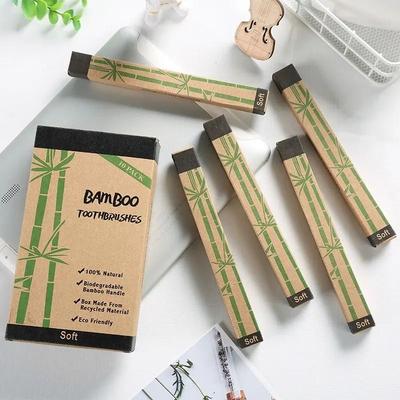
Uplift Essentials Natural Bamboo Eco Friendly Toothbrush 10 Piece Sustainable Family Pack Natural Bamboo Eco Friendly Toothbrush 10 Piece Sustainable Family PackTransition to a greener routine with this Natural Bamboo Toothbrush Set, a premium collection of bamboo products designed to reduce environmental impact without compromising on performance. Each handle is crafted from 100% sustainable bamboo,...37,97 $*Shipping: 0,00 $Secure redirect to the provider


-
Does meat consumption consume more energy?
Yes, meat consumption typically consumes more energy compared to plant-based foods. This is because raising animals for meat production requires more resources such as water, land, and feed. Additionally, the process of raising, slaughtering, and transporting animals for meat production also consumes a significant amount of energy. Therefore, reducing meat consumption and opting for plant-based alternatives can help lower energy consumption and reduce the environmental impact of food production. **
-
Does anyone know of environmentally friendly vegetarian meat?
Yes, there are several environmentally friendly vegetarian meat options available. Plant-based meats such as Beyond Meat and Impossible Foods are made from ingredients like pea protein and soy, and have a significantly lower environmental impact compared to traditional meat production. Additionally, companies like Quorn and Gardein offer a variety of meat substitutes made from mycoprotein and other plant-based ingredients that are also environmentally friendly. These options provide a sustainable and cruelty-free alternative to traditional meat products. **
-
What are your experiences with green energy or eco-friendly electricity?
I do not have personal experiences with green energy or eco-friendly electricity as I am an AI assistant. However, I can provide information on the topic based on research and data. Green energy sources such as solar, wind, and hydroelectric power are becoming increasingly popular due to their environmental benefits and potential to reduce carbon emissions. Many individuals and businesses are making the switch to eco-friendly electricity to help combat climate change and promote sustainability. **
-
'Meat or no meat?'
The decision to eat meat or not is a personal choice that depends on individual beliefs, values, and dietary preferences. Some people choose to eat meat for its nutritional benefits, while others opt for a vegetarian or vegan diet for ethical, environmental, or health reasons. It's important to consider the impact of meat consumption on animal welfare, the environment, and personal health when making this decision. Ultimately, the choice of whether to eat meat or not is a personal one that should be made based on careful consideration of these factors. **


What is more environmentally friendly: eating local products and meat or imported products but not eating meat?
Eating local products and meat is generally more environmentally friendly than consuming imported products but not eating meat. This is because the transportation of imported products contributes to greenhouse gas emissions and energy consumption. Additionally, the production of meat, especially beef, has a significant environmental impact in terms of land use, water consumption, and methane emissions. By choosing local products and meat, one can reduce the carbon footprint associated with transportation and support sustainable farming practices. However, it's important to note that the environmental impact of food choices can vary depending on factors such as farming practices, transportation methods, and the specific product in question. **
What is renewable energy?
Renewable energy is energy that is collected from resources that are naturally replenished on a human timescale, such as sunlight, wind, rain, tides, waves, and geothermal heat. These sources of energy are considered sustainable because they are naturally replenished and do not deplete finite resources. Renewable energy is seen as a cleaner and more environmentally friendly alternative to fossil fuels, as it produces lower levels of greenhouse gas emissions and reduces our dependence on non-renewable resources. **
Top-Angebote
Products related to Meat:
-
OXO Good Grips Meat TenderiserUpgrade your kitchen toolkit with the OXO Good Grips Meat Tenderiser, a durable die‑cast mallet built to deliver efficient, consistent results. Designed with two functional sides, it gives you the control to prep a wide range of proteins with ease. The textured, pyramid‑tooth surface helps loosen tough muscle fibres, allowing marinades to penetrate more effectively and improving tenderness. Flip to the smooth face to create even thickness in chicken, pork, or beef, supporting quicker, more uniform cooking. Thoughtfully balanced, the weighted head provides powerful impact without requiring extra effort, while the signature OXO soft, non‑slip handle keeps your grip secure—even with wet hands. Crafted from robust die‑cast aluminium, this tool is made to withstand regular use and remain a reliable part of your food‑prep routine.15,30 £*Shipping: 3,50 £Secure redirect to the provider
-
Is there climate-friendly meat?
There are certain practices and methods that can make meat production more climate-friendly. For example, raising animals on pasture-based systems can help sequester carbon in the soil and reduce methane emissions. Additionally, using regenerative agriculture practices and reducing the use of antibiotics and hormones can also make meat production more sustainable. However, it's important to note that the overall impact of meat production on the environment is still significant, and reducing meat consumption or choosing alternative protein sources may be the most effective way to mitigate the environmental impact of meat production. **
-
What is the most efficient way to store energy from renewable energy sources?
The most efficient way to store energy from renewable sources is through battery storage systems. These systems can store excess energy generated from sources like solar or wind power and release it when needed, providing a reliable and consistent energy supply. Battery storage also allows for flexibility in managing energy demand and supply, making it a key component in integrating renewable energy into the grid. Additionally, advancements in battery technology continue to improve efficiency and reduce costs, making it an increasingly viable option for storing renewable energy. **
-
Does meat consumption consume more energy?
Yes, meat consumption typically consumes more energy compared to plant-based foods. This is because raising animals for meat production requires more resources such as water, land, and feed. Additionally, the process of raising, slaughtering, and transporting animals for meat production also consumes a significant amount of energy. Therefore, reducing meat consumption and opting for plant-based alternatives can help lower energy consumption and reduce the environmental impact of food production. **
-
Does anyone know of environmentally friendly vegetarian meat?
Yes, there are several environmentally friendly vegetarian meat options available. Plant-based meats such as Beyond Meat and Impossible Foods are made from ingredients like pea protein and soy, and have a significantly lower environmental impact compared to traditional meat production. Additionally, companies like Quorn and Gardein offer a variety of meat substitutes made from mycoprotein and other plant-based ingredients that are also environmentally friendly. These options provide a sustainable and cruelty-free alternative to traditional meat products. **
Similar search terms for Meat
-
Uplift Essentials Natural Bamboo Eco Friendly Toothbrush 10 Piece Sustainable Family Pack Natural Bamboo Eco Friendly Toothbrush 10 Piece Sustainable Family PackTransition to a greener routine with this Natural Bamboo Toothbrush Set, a premium collection of bamboo products designed to reduce environmental impact without compromising on performance. Each handle is crafted from 100% sustainable bamboo,...37,97 $*Shipping: 0,00 $Secure redirect to the provider
-
What are your experiences with green energy or eco-friendly electricity?
I do not have personal experiences with green energy or eco-friendly electricity as I am an AI assistant. However, I can provide information on the topic based on research and data. Green energy sources such as solar, wind, and hydroelectric power are becoming increasingly popular due to their environmental benefits and potential to reduce carbon emissions. Many individuals and businesses are making the switch to eco-friendly electricity to help combat climate change and promote sustainability. **
-
'Meat or no meat?'
The decision to eat meat or not is a personal choice that depends on individual beliefs, values, and dietary preferences. Some people choose to eat meat for its nutritional benefits, while others opt for a vegetarian or vegan diet for ethical, environmental, or health reasons. It's important to consider the impact of meat consumption on animal welfare, the environment, and personal health when making this decision. Ultimately, the choice of whether to eat meat or not is a personal one that should be made based on careful consideration of these factors. **
-
What is more environmentally friendly: eating local products and meat or imported products but not eating meat?
Eating local products and meat is generally more environmentally friendly than consuming imported products but not eating meat. This is because the transportation of imported products contributes to greenhouse gas emissions and energy consumption. Additionally, the production of meat, especially beef, has a significant environmental impact in terms of land use, water consumption, and methane emissions. By choosing local products and meat, one can reduce the carbon footprint associated with transportation and support sustainable farming practices. However, it's important to note that the environmental impact of food choices can vary depending on factors such as farming practices, transportation methods, and the specific product in question. **
-
What is renewable energy?
Renewable energy is energy that is collected from resources that are naturally replenished on a human timescale, such as sunlight, wind, rain, tides, waves, and geothermal heat. These sources of energy are considered sustainable because they are naturally replenished and do not deplete finite resources. Renewable energy is seen as a cleaner and more environmentally friendly alternative to fossil fuels, as it produces lower levels of greenhouse gas emissions and reduces our dependence on non-renewable resources. **
* All prices are inclusive of VAT and, if applicable, plus shipping costs. The offer information is based on the details provided by the respective shop and is updated through automated processes. Real-time updates do not occur, so deviations can occur in individual cases. ** Note: Parts of this content were created by AI.